Cameras
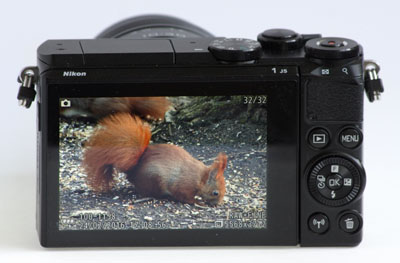
Digital Cameras
Analog Cameras
Lenses
Smartphone as Camera
Digital Image Editing
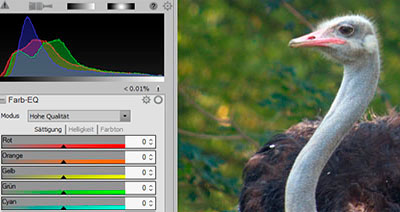
Computer
Digital Image Editing
RAW Converters
Analog Photography
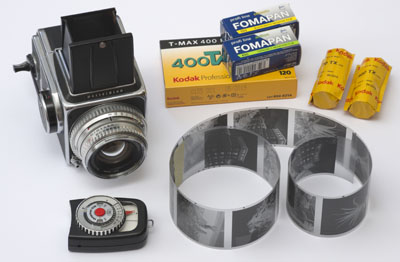
Analog Photography
Photo Lab / Darkroom
Film and Photo Scanning
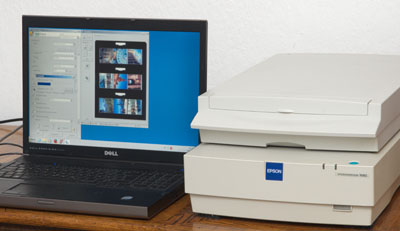
Film Scanners
Scanning Software:
VueScan / SilverFast
Photographing Films Instead of Scanning
Photographic Technology
Photographic Technology
Accessories
Literature
Photo Archive
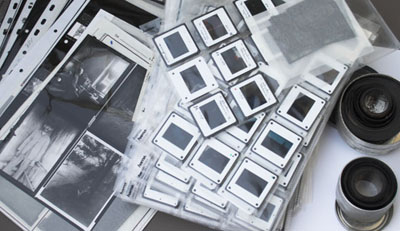
Photo Archive
About photoinfos.com
| Page 1 | 2021 © Thomas Gade |
“You press the button, we do the rest.” was George Eastman’s slogan in 1888 when he introduced a Kodak camera with light-sensitive material for 100 exposures. The device looked like a small dark gift box and could be operated by anyone. Just under 50 years earlier, Louis Jacques Mandé Daguerre in France and Fox Talbot in England had independently presented two photographic processes to the public. Although there had been photographic successes before, 1839 is considered the birth year of photography in historical accounts.
Back then, only very few people suspected the rapid and dramatic technological developments that would shape the 19th and 20th centuries. Conversely, today we can hardly imagine a world without airplanes, smartphones, almost free long-distance communication via cable or radio, ships without sails, railways, smooth roads, heating, electricity, electric light, refrigerators, washing machines, and much more.
In photography, we now look back on a multitude of photochemical and digital processes for capturing and presenting photos on paper or other media. There have been enormous advances in optics. Only lenses made of multiple elements and glass types enable good projections onto our recording materials.
In the 1990s, computer technology reached a level of performance and widespread adoption that led to the digitization of formerly analog processes. Prints, slides, and negatives were scanned and could be transmitted over cable networks. By around 2005, most people had completed the switch from analog to digital photography.
You hardly need to know anything about photographic technology to use it. But a good technical understanding contributes to better results and conveys fascinating knowledge about a multifaceted technology that never gets boring. In addition to news about new products, many old processes and devices are still very relevant today.
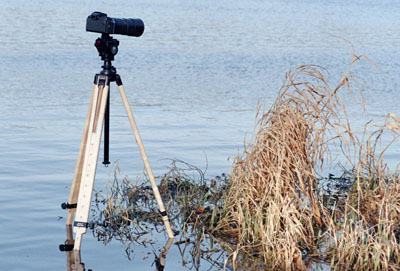
Thanks to standards that have existed for a very long time, devices of different ages can be combined perfectly. For example, a brand-new digital system camera can be used on a 60-year-old professional Linhof tripod with a 40-year-old lens. To make optimal use of objects from different eras of photographic history, you should know a fair amount about them.
read more ...